
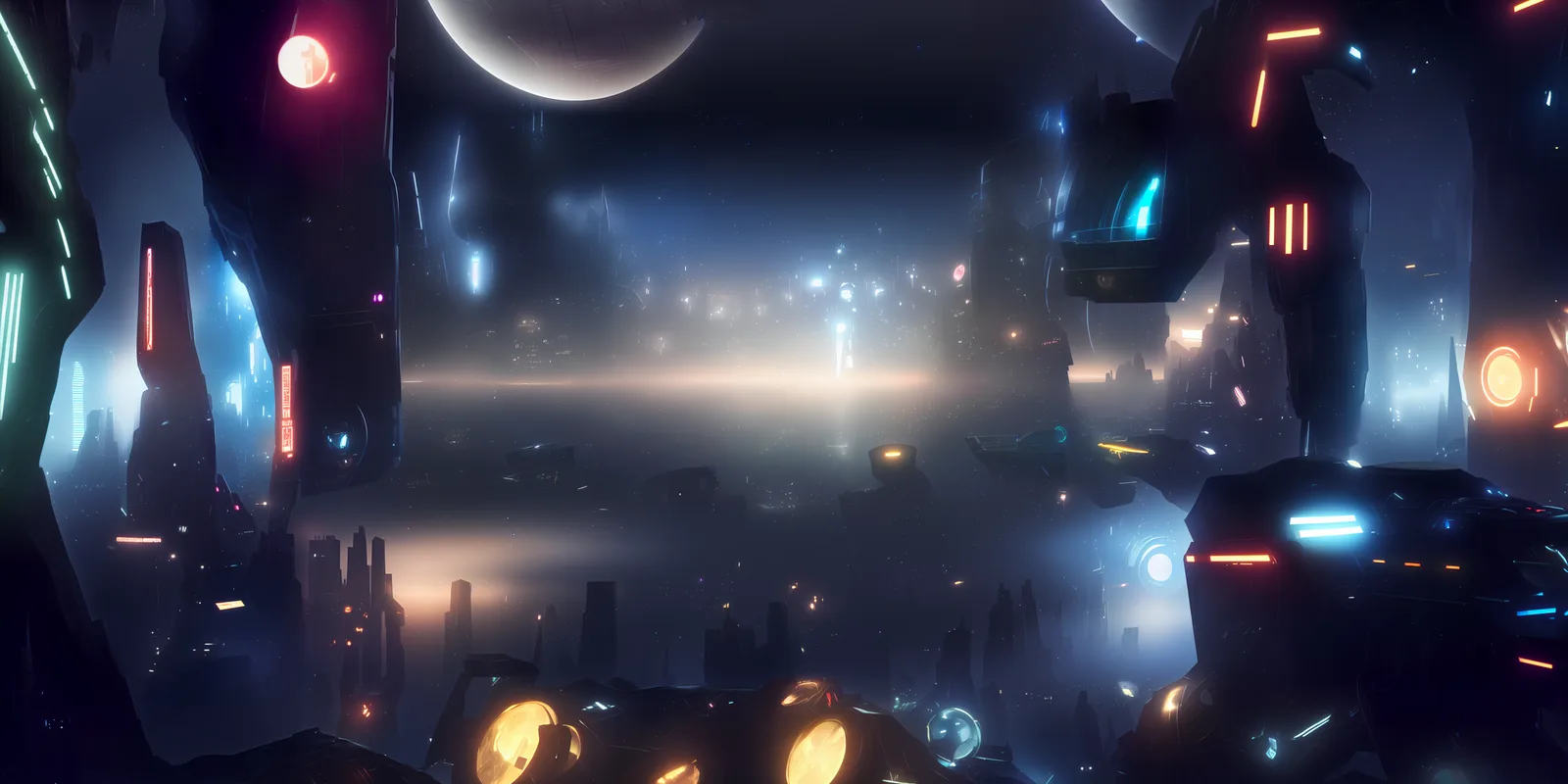
Image: Benlisquare / CC BY-SA 4.0 (Wikimedia Commons)
In short: The image AI race continues. OpenAI released ChatGPT Images 2.5 on 8 September 2026, with sharper detail, more reliable multi-step editing and up to 50 percent faster generation. Google followed in early October with Nano Banana 2.1, built on Gemini 3.6 Flash. Its main advantage is price: a 1K image costs about $0.034 via the API. In Europe, AI images should be labelled, and copyright has limits.
Nano Banana 2.1
Google's new model generates images in 1K, 2K and 4K, uses up to 14 reference images to keep people or products consistent, edits images conversationally and renders readable text. At about $0.0336 per 1K image via the Gemini API, it costs roughly half as much as its predecessor. All images carry Google's invisible SynthID watermark. In the Gemini app, it reportedly arrives first in paid plans.
ChatGPT Images 2.5
OpenAI promises sharper detail, better text, more reliable multi-turn edits, higher fidelity to reference photos and up to 50 percent faster generation. Developers can choose GPT-Image-2.5 Flare for speed or Sunburst for quality. OpenAI models currently lead public blind-comparison leaderboards, but your own use case matters more.

Midjourney
Midjourney remains popular with artists for its painterly style and now runs on a web interface. Plans start at around $10 per month. Try it yourself before subscribing.
| Tool | Strength | Cost |
|---|---|---|
| Nano Banana 2.1 | fast, cheap, many references | API ~$0.034 per 1K image |
| ChatGPT Images 2.5 | detail, editing | ChatGPT plans, API usage |
| Midjourney | artistic style | from ~$10/month |
Limits
Even the new models make mistakes. Hands, jewellery and small objects can look odd, longer text often contains typos, and reflections or shadows do not always match. Without reference images, the same character may look different from one image to the next. Providers also block certain content, such as violence, sexual imagery or realistic images of well-known politicians, to prevent misuse.
What to use it for
Image AI works well for presentation slides, social media graphics, product photo backgrounds, mood boards and quick photo edits. It is less suited to anything that must show real facts, such as news images.
Labelling and copyright
The EU AI Act includes transparency duties: providers should mark AI images in a machine-readable way, and deepfakes must be disclosed. The obligations apply in stages. In Germany, purely AI-generated images are generally not protected by copyright, while trademarks, protected characters and personality rights still apply. This is not legal advice.
Prompt tips
Describe the subject first, then style and lighting, choose a format and refine in small steps. Always check text in images. See our AI autumn 2026 overview and the everyday AI tools guide. More in the Image AI section.
Sources