
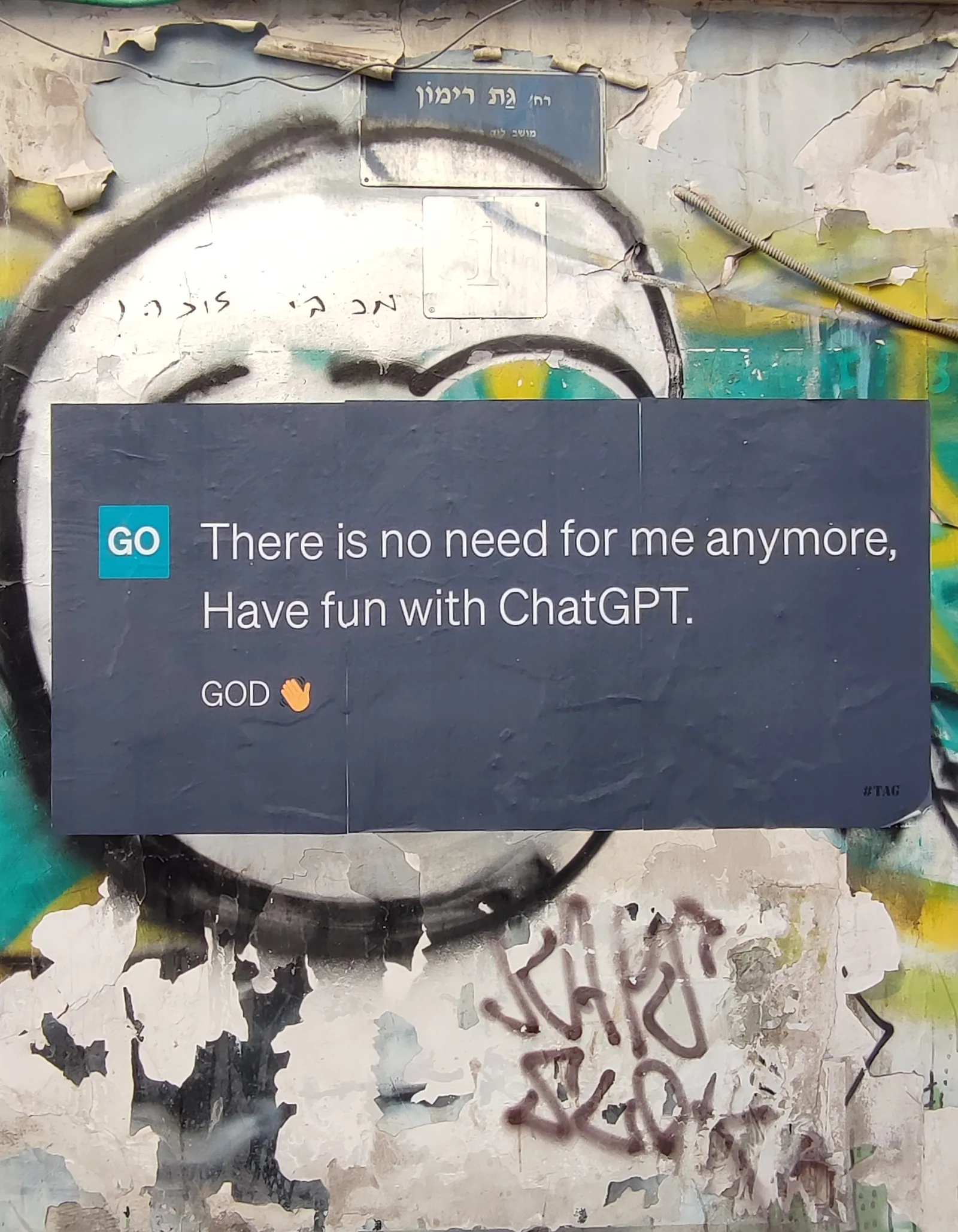
Image: Artem.G / CC BY-SA 4.0 (Wikimedia Commons)

In short: GPT-6 is OpenAI's current model family, and it comes in three variants. GPT-6 Astra is the flagship for the most demanding work. GPT-6 Sol and GPT-6 Luna arrived on 22 September 2026 and are faster and cheaper. Since 7 October 2026 every ChatGPT user runs on GPT-6: paid users get Sol by default, while Free and Go users get Luna. At the same time OpenAI introduced "Intelligent UI", which lets answers include interactive elements. According to OpenAI, ChatGPT has 1.2 billion weekly users.
What is a large language model?
A large language model (LLM) is an AI system trained on vast amounts of text that predicts which words are most likely to come next. This gives rise to skills such as summarising, translating, coding and step-by-step reasoning. ChatGPT is the app, and GPT-6 is the model behind it.
The three GPT-6 variants
| Model | Role | Available in |
|---|---|---|
| GPT-6 Astra | flagship for complex work | ChatGPT Plus, Pro, Business, Enterprise; API; Azure; AWS Bedrock |
| GPT-6 Sol | fast and capable, default for paid users | ChatGPT, API, Codex |
| GPT-6 Luna | compact and cheap, default for Free and Go | ChatGPT, API, Codex |
Astra came first, initially to a limited group. OpenAI says Sol and Luna build on Astra's advances and are optimised for speed and cost. API prices were cut by 50 percent compared with GPT-5.6 promotional pricing.

What is Intelligent UI?
Since the 7 October update, ChatGPT answers can contain interactive controls. A travel plan can appear as an editable overview, and a comparison can become a sortable table. Instead of asking for a revised answer several times, you adjust the result directly. That is convenient, but a polished-looking answer is not automatically a correct one.
Free or paid?
- Occasional questions, rewording, short translations: Luna on the free plan is usually enough.
- Regular work with long documents or code: Sol on a paid plan is noticeably stronger and has higher limits.
- Complex analysis, research, large software projects: Astra, which is available on higher tiers only.
Safety: a "High" classification
OpenAI rates Sol and Luna as "High" capability in cybersecurity and biological and chemical domains under its safety framework. That does not mean the models are dangerous. It means extra safeguards such as filters, monitoring and restricted answers apply.
Limits that remain
- Hallucinations: GPT-6 can still state false things convincingly, so check numbers, quotes and legal topics.
- Freshness: without web search, the model only knows its training data.
- Privacy: keep passwords and confidential documents out of chats (see our passwords section).
GPT-6 competes with Google's Gemini 4 Argon, released on 13 October 2026, and with Anthropic's Claude models. See our AI overview for autumn 2026 and our guide to everyday AI tools.
Verdict
OpenAI's line-up is now clearer: Luna for everyone, Sol for heavy users, Astra for professionals. Intelligent UI is the most visible change for everyday users, but it is no substitute for checking results.

Sources