
Image: AntanO / CC BY-SA 4.0 (Wikimedia Commons)
In short: In October 2026, criminals are again sending large numbers of fake emails. According to the Phishing Radar run by German consumer advocates, they pretend to be banks such as easybank, Volksbanken Raiffeisenbanken, ING and comdirect, as well as Amazon and the German tax portal ELSTER. The tricks are almost always the same: time pressure, a threatened account block and a link in the email.
Current scams
| Date | Fake sender | Scam |
|---|---|---|
| 22 October | easybank | Supposedly mandatory activation of instant transfers |
| 21 October | Volksbanken Raiffeisenbanken | Confirm master data after an alleged technical change |
| 20 October | Amazon | Prime fee supposedly not collected |
| 19 October | ING | Alleged security update with a 48-hour deadline |
| 16 October | comdirect | Update account due to alleged fraud attempts |
| 15 October | ELSTER | Alleged 2025 tax refund in exchange for card details |
Data from the Verbraucherzentrale Phishing Radar, as of 22 October 2026.
The easybank email even ends with the claim that the bank would never ask for confidential data via a link, while asking for exactly that. The Amazon email addresses recipients by name, which should not make you trust it. The ELSTER email asks for card details by 25 October 2026; tax offices never request card details by email.
How to spot phishing
According to Germany's BSI, be suspicious if an email creates urgency, threatens to block your account, asks for a PIN, TAN, password or card number, or contains links or forms. Hover over the sender without clicking to reveal the real address. The padlock and "https://" are no longer proof that a site is genuine, and a request for a TAN when you have not started a transfer is a clear warning sign. Scams also arrive by SMS (smishing), for example fake parcel or voicemail messages, and via fake QR codes (quishing).
What to do
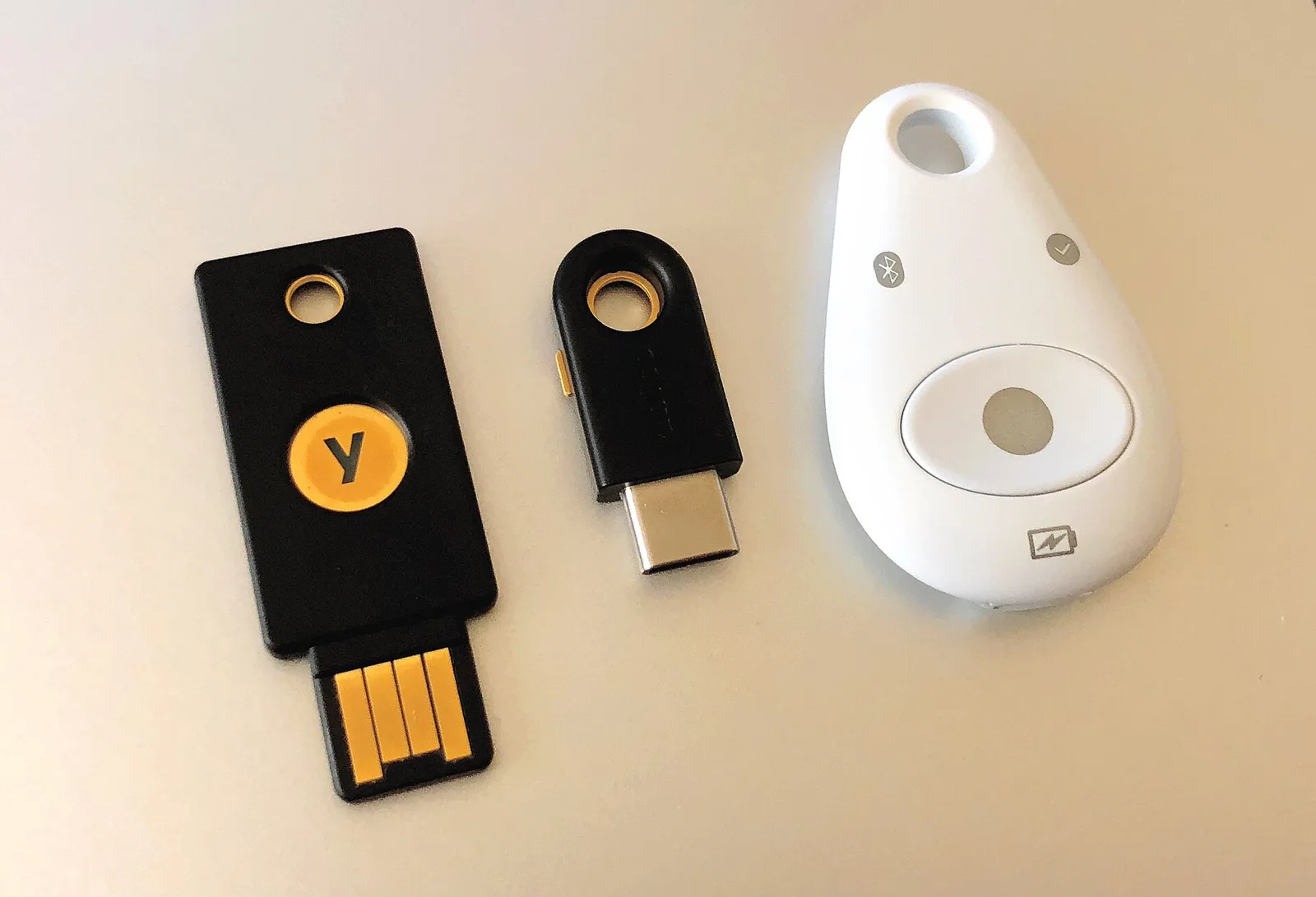
Do not click links or open attachments, move the email to spam without replying and check your bank's official app or type the known address yourself. In Germany you can forward suspicious emails to phishing@verbraucherzentrale.nrw. If you entered data, change your password immediately and call your bank. Passkeys offer the best protection because they only work on the real site; read our passkeys article and our antivirus test. More warnings are in our phishing category.
Sources